
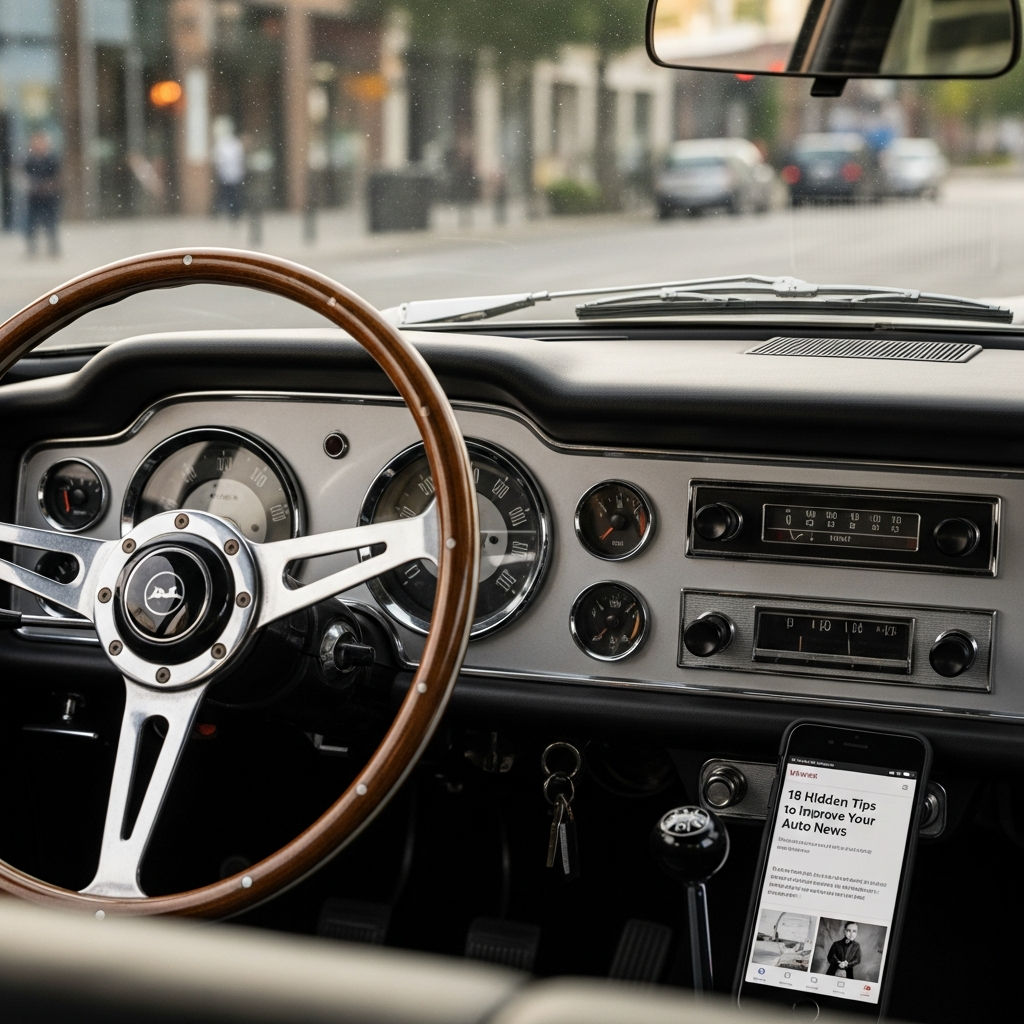
Mastering the Road: 18 Hidden Tips to Improve Your Auto News
In the fast-paced world of automotive journalism, staying ahead of the curve requires more than just knowing the latest horsepower figures. With thousands of blogs, news sites, and YouTube channels vying for the attention of gearheads and casual buyers alike, your content needs a competitive edge. Whether you are a solo blogger or part of a larger editorial team, refining your approach to auto news can significantly boost your traffic, authority, and reader retention.
To help you dominate the search engine results pages (SERPs) and build a loyal community, we have compiled 18 hidden tips to improve your auto news. These strategies go beyond basic reporting, focusing on technical SEO, content psychology, and industry-specific insights.
Strategic Content Foundations
1. Narrow Your Niche for Higher Authority
The “general auto news” space is crowded with giants like MotorTrend and Car and Driver. To compete, narrow your focus. Instead of covering every car, specialize in electric vehicles (EVs), classic car restoration, or off-roading technology. Search engines reward “topical authority,” and being the go-to source for a specific sub-sector will help you rank faster for long-tail keywords.
2. Focus on “Real-World” Testing Conditions
Most auto news outlets simply regurgitate manufacturer press releases. To stand out, provide data from real-world conditions. How does that EV perform in sub-zero temperatures? How does the infotainment system handle a bumpy dirt road? Readers crave authenticity over polished PR specs.
3. Leverage Proprietary Data and Sales Trends
Numbers tell a story that press releases often hide. Analyze monthly registration data or secondary market price trends. By creating original infographics or charts based on sales data, you provide unique value that other news outlets will want to link to, boosting your backlink profile.
4. Master the Art of the Comparison Article
“Car A vs. Car B” is one of the most searched formats in the automotive industry. Don’t just compare the specs; compare the ownership experience, insurance costs, and resale value. These high-intent keywords attract users who are at the bottom of the sales funnel and ready to buy.
Visual and Multimedia Excellence
5. Prioritize Original Photography
Stock photos and manufacturer-provided assets are recognizable and repetitive. Investing in high-quality, original photography gives your auto news a “magazine” feel. Original images also rank in Google Image Search, providing an additional stream of organic traffic.
6. Incorporate Short-Form Video Teasers
The automotive world is visual and auditory. Use TikTok, Reels, or YouTube Shorts to provide 15-second “cold starts” or “interior walkarounds.” Link these back to your full-length news articles to drive social traffic to your website.
7. Use Interactive Tools and Calculators
Improve your “time on page” metrics by embedding interactive tools. A “Fuel Savings Calculator” for new hybrids or a “Depreciation Estimator” for luxury sedans keeps users engaged and provides a utility that simple text cannot match.
8. Optimize Image Alt-Text for Vehicle Specs
Don’t just name your image “car-front.jpg.” Use descriptive alt-text like “2024 Ford F-150 Lightning front grille and LED headlights.” This helps visually impaired readers and allows your images to show up when users search for specific vehicle features.
Technical SEO for Automotive News
9. Utilize Schema Markup (Product and News)
Implementing structured data (Schema) is crucial. Use “Product” schema for car reviews to show star ratings in Google search results, and “NewsArticle” schema to help your content appear in the “Top Stories” carousel on mobile devices.
10. Optimize for “Near Me” and Local Intent
Many auto news readers are looking for where to buy or service vehicles. If you mention a specific model, include information about regional availability or upcoming local auto shows. This captures local search intent, which is often less competitive than national keywords.

11. Improve Mobile Page Speed
Auto news is often consumed on the go—at dealerships, in garages, or during commutes. Ensure your site loads in under two seconds. Use compressed WebP images and a lightweight theme to minimize bounce rates among mobile users.
12. Update “Evergreen” News Content
In the auto world, news can become outdated quickly. However, articles like “Best SUVs for 2023” can be updated to “Best SUVs for 2024.” Instead of writing a new post, update the existing one to retain the URL’s SEO equity and backlink power.
Building Trust and Industry Connections
13. Conduct Interviews with Industry Insiders
Quotes from dealership managers, lead engineers, or aftermarket tuners add layers of credibility to your reporting. These “insider” perspectives provide “E-E-A-T” (Experience, Expertise, Authoritativeness, and Trustworthiness), which is a major ranking factor for Google.
14. Create a Robust Fact-Checking Process
Misquoting a torque figure or a release date can ruin your reputation. Double-check all technical specifications against the manufacturer’s “Media Kit.” Accurate reporting leads to fewer corrections and higher trust from your audience.
15. Engage with the Community in the Comments
Auto enthusiasts are passionate. Respond to comments on your articles and social media posts. Active engagement signals to search engines that your site is a vibrant hub of activity, and it encourages readers to return for future updates.
Advanced Growth Strategies
16. Monitor Patent Filings
One of the best ways to “break” auto news is to monitor patent and trademark filings. When a manufacturer trademarks a new name or patents a new engine design, it’s a sign of things to come. Reporting on these early can earn you massive “scoop” traffic.
17. Focus on the EV Infrastructure, Not Just the Cars
The transition to electric vehicles is the biggest story in the industry. Don’t just review the cars; report on charging network expansions, battery recycling tech, and government incentives. This positions your news site as a forward-thinking authority.
18. Leverage Email Newsletters for Direct Traffic
Algorithms change, but your email list is yours. Send a weekly “Auto News Wrap-up” to your subscribers. This ensures a steady stream of traffic that isn’t dependent on Google or Facebook, providing a safety net for your digital presence.
Conclusion
Improving your auto news isn’t just about writing more; it’s about writing smarter. By combining technical SEO with high-quality, original reporting and interactive multimedia, you can transform a standard car blog into a powerhouse of automotive journalism. Start by implementing two or three of these hidden tips this week, and watch as your authority and audience grow in tandem with the evolving automotive landscape.
Success in the automotive niche is a marathon, not a sprint. Consistently providing value, staying accurate, and embracing new technologies like EVs and interactive media will ensure your news outlet stays in the fast lane for years to come.